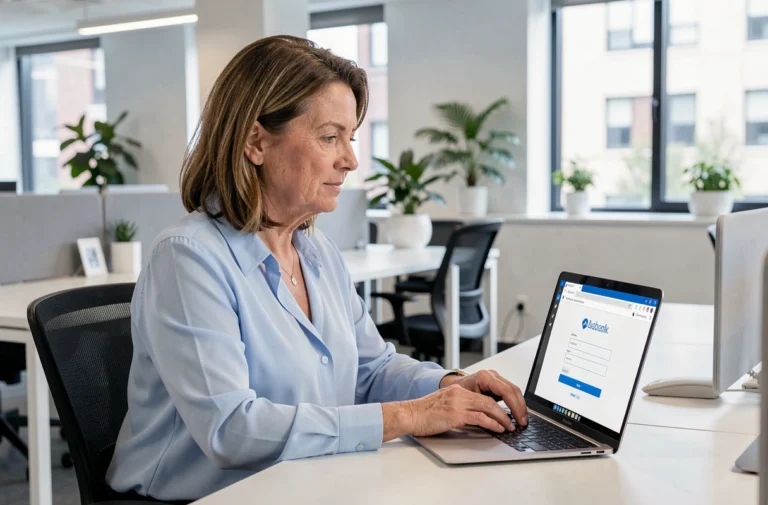
Workplace health may be featured in all management manuals and included in official speeches, but the reality on the ground often disrupts these good intentions. The numbers speak for themselves: less than 40% of employees receive an annual review of their position, even though this measure is supposed to be the norm. Preventive measures are multiplying, yet musculoskeletal disorders continue to dominate the statistics of occupational diseases in France.
Some collective measures, even those validated by health authorities, struggle to take root in companies. The organization of work, lack of resources, and sometimes hierarchical indifference all hinder their deployment. However, research is clear: simple measures, if personalized and supported by experienced professionals, yield tangible results.
Why is workplace health a major issue today?
Workplace health has become an essential topic, engaging both leaders and employees. Well-being is no longer limited to the absence of physical illness. It now encompasses mental health, the quality of interactions between colleagues, and the sense of accomplishment. According to INSEE, life satisfaction in France was rated at 7.6 out of 10 in 2022. Yet, warning signals abound: nearly one in four French people has experienced a mental health issue.
The professional daily grind weighs heavily: stress, overload, isolation, and a blurred line between work and home. All of this shapes the quality of life at work. Younger generations, in particular, demand more balance and question the purpose of their commitment. The World Happiness Report rates France at 6.6 in 2023, far from the expectations of many workers.
The responsibility of the company can no longer be overlooked. Productivity, team loyalty, social climate… everything now depends on a true corporate culture that cares for people. Prevention, recognition, active listening, access to credible resources like relais-sante.com, a reference platform on health and family, all contribute to creating an environment where everyone can thrive and find their place.
Here are the concrete points that illustrate this paradigm shift:
- Well-being at work boosts productivity and alleviates daily pressure.
- Finding a balance between professional and personal life has become a central demand.
- Structured professional programs sustainably transform mental and physical health in the workplace.
Best practices for preserving professional well-being on a daily basis
To build a balance between physical health and mental health, action must be taken every day, in the concrete setting of the office or workshop. Stress management is worked on in small steps: establishing breaks, learning to breathe, accepting to truly disconnect. Public Health France statistics remind us that one in four French people has experienced a mental health issue at least once. The response cannot be solely individual; it must also be collective.
A varied diet, including fruits, vegetables, and quality proteins, helps maintain concentration and limit fatigue. Moving, even moderately, reduces musculoskeletal disorders and promotes restorative sleep. Sedentary behavior is a risk, but integrating walking or cycling into one’s routine remains possible without disrupting the entire organization.
To embed these habits, here are some levers to activate daily:
- Improve sleep quality by setting regular hours and limiting screen exposure in the evening.
- Nurture social relationships: informal discussions, shared breaks, all serve as barriers against isolation.
- Experiment with applications or digital tools dedicated to well-being to track progress concretely.
Nothing replaces the support of proven advice, reliable resources, and the commitment of professionals. Companies can offer flexible hours, tailored support, or organize thematic workshops to strengthen this foundation of collective health.
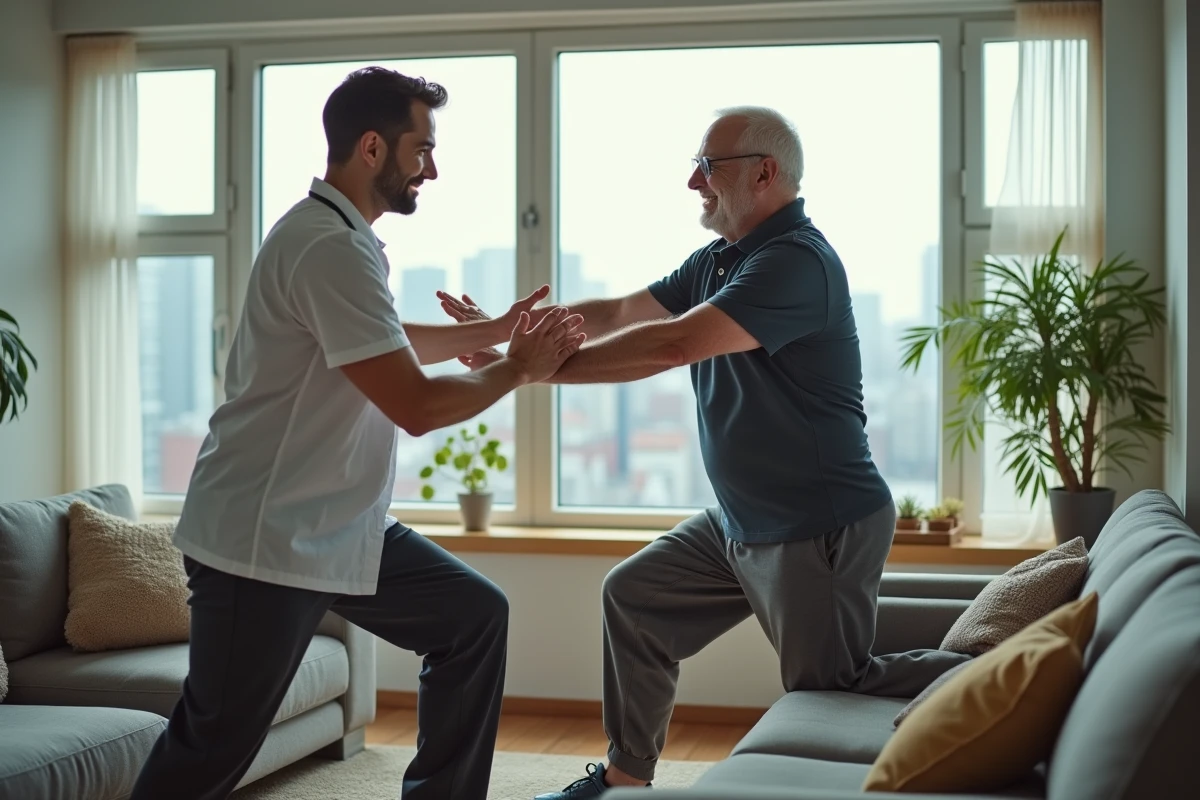
Health professionals in the workplace: what concrete solutions to support employees?
Workplace health goes far beyond preventing physical accidents. Today, it also involves anticipating psychosocial risks, promoting mental balance, and adapting the work environment to individual realities. Health professionals, whether intervening directly or providing support, play a central role: listening, guiding, providing personalized advice, and assisting with appropriate measures.
Actions taken in companies revolve around several axes. First, prevention programs: screenings, regular assessments, collective workshops to learn stress management, awareness campaigns on musculoskeletal disorders. Access to teleconsultation removes certain barriers, especially in regions where medical services are scarce, as confirmed by the Medical Demography Atlas. Mutual insurance companies, often working behind the scenes, offer individualized solutions: dietary support, psychological follow-up, digital tools, and training dedicated to workplace health.
Companies can concretely implement these measures:
- Flexible hours designed to meet personal constraints.
- Continuous training on quality of life at work or combating addiction.
- Corporate social responsibility initiatives: solidarity actions, improving workstations, direct communication with teams.
The relationship between the company and the employee is now a renewed one, based on comprehensive care, tailored to each situation, supported by solid professional measures and constant dialogue. Workplace health is establishing itself as a foundation, at the intersection of prevention, support, and innovation. This is where individual and collective trajectories make sense, and where the professional daily life transforms, step by step.