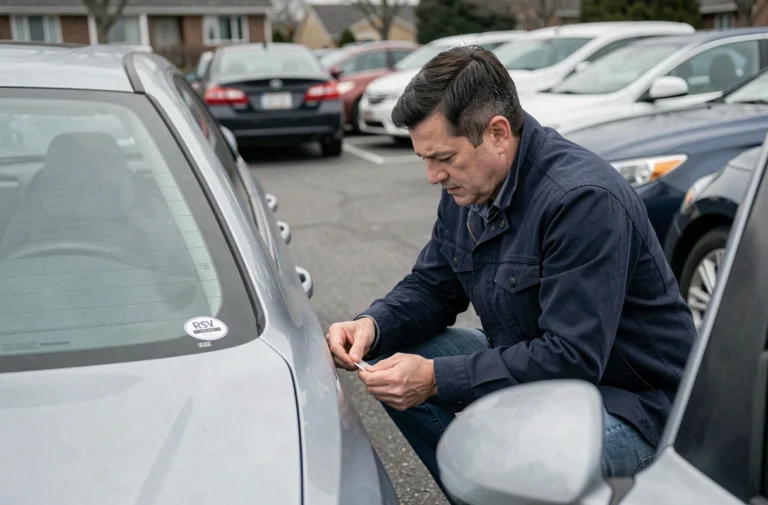
The multigenerational leisure market has structured itself around formats that encourage cooperation rather than merely occupying time. Indoor multi-activity complexes recorded a growth of about 15% between 2019 and 2023, driven by a family clientele seeking adaptable courses for multiple age groups within the same time slot. Understanding this segmentation allows for the selection of activities that truly deliver on their promises, from toddlers to grandparents.
Indoor multigenerational leisure: formats that work and those to avoid
Not all indoor amusement parks are created equal. We observe a clear divide between structures that stack modules (trampolines, ball pits, climbing walls) without any connection between them and those that offer a themed course where each age group has a role. The former generate fatigue, while the latter create a shared memory.
The escape game illustrates this logic well. The sector currently has about 900 brands for 2,400 to 2,600 rooms in France, with a turnover exceeding 200 million euros and an estimated annual growth of between 5% and 7%. The format works because it naturally assigns different tasks based on abilities: a child spots a visual clue, a teenager decodes a logical puzzle, and an adult coordinates the group.
For those wishing to access the leisure section of Revue Républicaine, regional comparisons allow filtering of structures that explicitly display multigenerational scenarios, a criterion to demand before any booking.
We recommend avoiding “children’s birthday” packages converted into “family outings” simply by adding an adult time slot. The hallmark of a good indoor complex: the duration of the activity varies according to the group, not according to an imposed timer.
Nature and outdoor activities: calibrating difficulty for all ages
Outdoor settings remain the most reliable ground for bringing together multiple generations, provided that accessibility is not confused with ease. A successful family hike relies on elevation gain, not distance. A three-kilometer course with 200 meters of positive elevation will exhaust a five-year-old, whereas a flat seven-kilometer circuit will suit everyone.
Scavenger hunts set in natural environments are a rapidly growing format. The principle: a marked course integrates physical puzzles (finding a marker, identifying a species) and cognitive puzzles (deciphering a code, reconstructing a timeline). This mix keeps children’s attention while engaging adults.
Criteria for selecting a multigenerational nature outing
- Cumulative elevation gain of less than 150 meters to include children under six and seniors with reduced mobility
- Points of interest spaced 15 to 20 minutes of walking maximum, to avoid fatigue phases in younger participants
- Possibility to shorten the course without losing the main objective (loop with a short variant)
- Presence of shaded areas and drinking water points on at least half of the route
Outdoor archery, disc golf, or geocaching offer alternatives to classic hikes. These activities share one advantage: individual progression does not hinder collective participation. An eight-year-old beginner and a sixty-year-old practitioner play on the same field, with adjusted goals.
Family vacations: what the first family travel barometer reveals
The first Family Travel Barometer, published in September 2026, confirms that 80% of families surveyed travel within metropolitan France. This figure masks a frustration: 65% dream of distant destinations, with Asia mentioned by 19% of respondents.
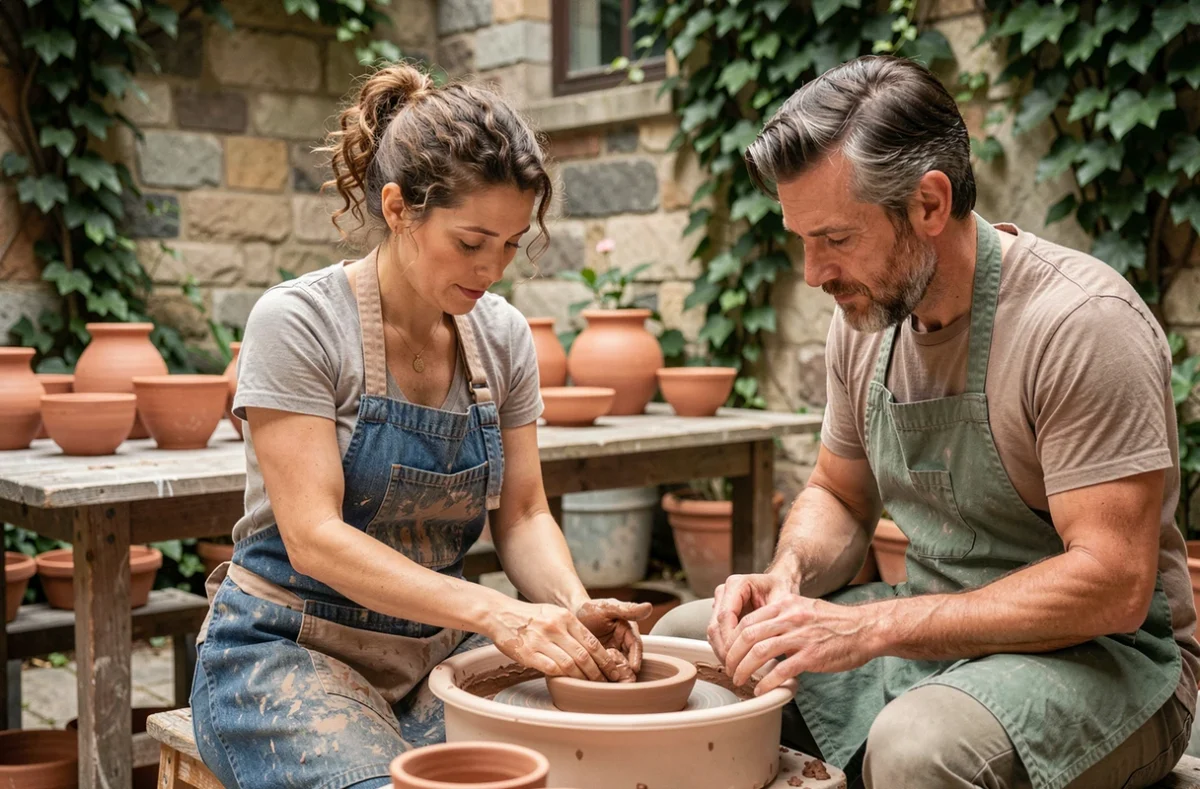
This tension between local practice and the desire for change explains the rise of short thematic stays that import a cultural experience. World cooking workshops, family martial arts courses, and calligraphy introductions: these formats allow for travel without leaving, engaging all generations around a common learning experience.
Home activities that go beyond classic DIY
Home leisure activities suffer from a lack of renewal. The usual lists (salt dough, coloring, board games) meet the needs of those under ten but fail to engage teenagers and adults.
Immersive investigation kits at home have changed the game. These formats replicate the mechanics of the escape game in a domestic space, with physical clues distributed throughout the rooms and a scenario lasting between one and two hours. The key: each participant holds part of the solution, making cooperation mandatory rather than cosmetic.
- Interactive quizzes in mixed teams (children and adults in each team, not separated by age)
- Culinary workshops with four hands, where each intergenerational pair prepares one element of the meal
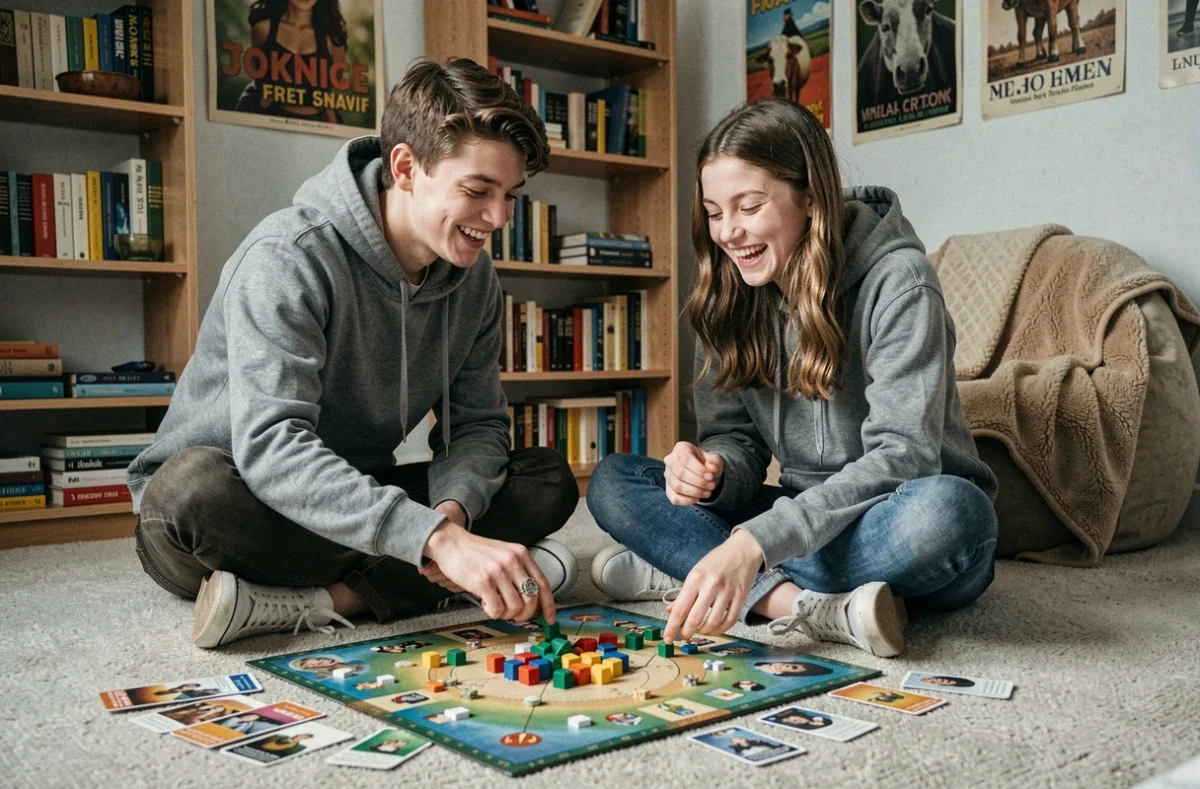
- “Board game creation” evenings where the family designs its own rules, board, and cards
Leisure and budget: balancing without sacrificing the quality of the experience
Cost remains the primary barrier to shared leisure. We observe that families often overestimate the budget needed for multigenerational activities, focusing on theme parks or premium leisure complexes.
The most memorable activities are rarely the most expensive. A geocaching adventure in the forest costs nothing. A home escape game costs the price of printing documents. The most effective budget lever remains the pooling of equipment among neighboring families for outdoor sports activities (archery, badminton, disc golf).
Formats that charge by the group rather than per person mechanically favor multigenerational outings. An escape game charged for four to six players is much cheaper per head than an amusement park with individual pricing, and produces significantly higher engagement among participants over twelve years old.
The budget question is resolved less by seeking discounts than by choosing formats designed from the outset to work across multiple ages. A workshop shared among three generations, even if paid, always costs less than three separate activities that each occupy their own corner.