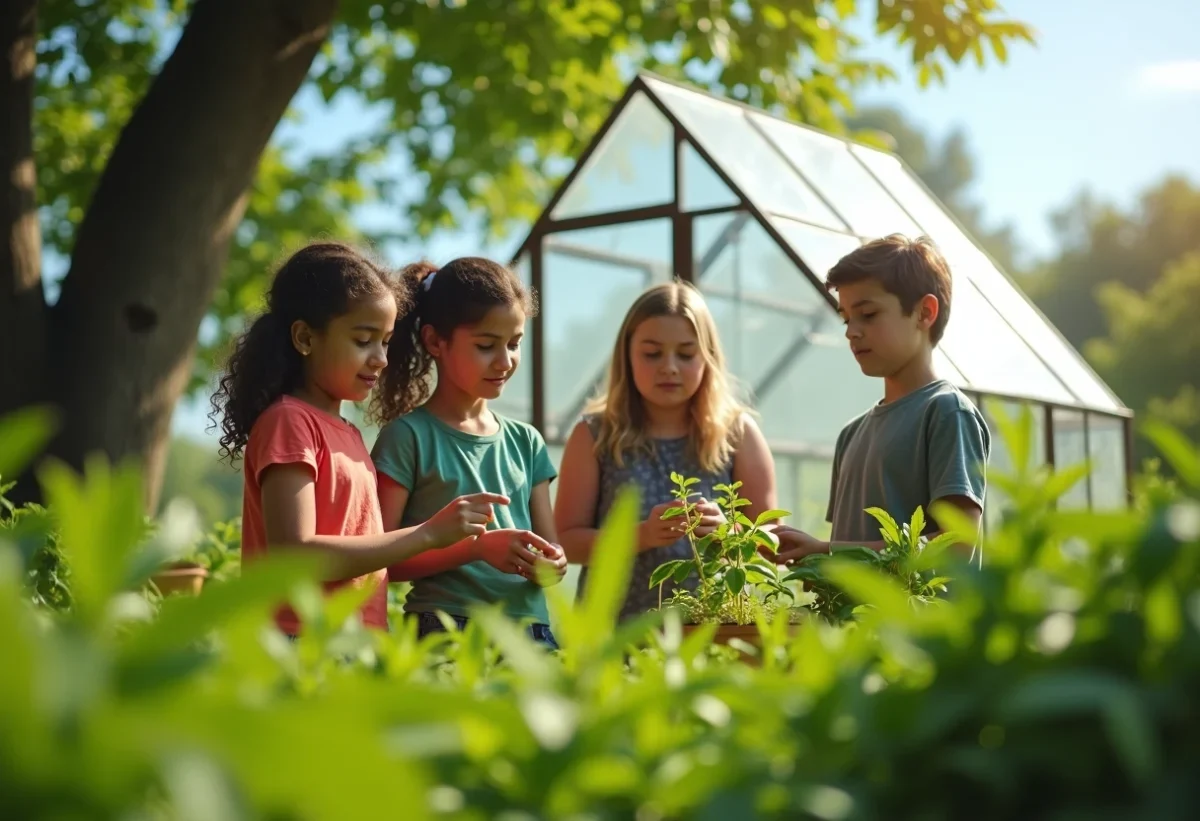
The introduction to agriculture has become essential for raising awareness among younger generations about the importance of cultivating and preserving our environment. Choosing the ideal location for an educational project requires considering several criteria. A fertile plot of land that is well-exposed to sunlight is crucial to ensure the success of the plantings.
Proximity to schools and educational centers facilitates access and allows for regular participation from students. It is also fundamental to ensure the safety of the locations, avoiding high-risk areas such as roadside edges or sloped terrains. Access to water is another determining factor for ensuring the growth of crops and the maintenance of the garden.
Essential criteria for choosing the ideal location
When it comes to selecting the ideal site for an educational farm, several criteria must be taken into account to ensure a successful and enriching project. The fertility of the soil and sunlight exposure play a key role, as they directly influence crop growth. The proximity to schools and educational centers is also fundamental to facilitate access and encourage regular participation from students.
Accessibility and safety
The accessibility of the site is a determining factor. A location that is easily accessible by public transport or safe roads allows for maximizing attendance. Be sure to avoid dangerous areas, such as roadside edges or sloped terrains. The safety of children must be a priority.
Water resources and infrastructure
A good water supply is essential for maintaining crops and animals. Ensure that the location has reliable water sources, whether they are wells, rivers, or irrigation networks. Existing infrastructures, such as agricultural buildings and sanitary facilities, must be in good condition to host educational activities.
Involvement of the local community
The involvement of the local community can greatly enhance the success of the project. Collaboration with experienced farmers, parents, and volunteers enriches the educational experience. The educational farm then becomes a meeting and sharing place, integrating local know-how and community initiatives.
- Fertile and well-exposed soil
- Proximity to schools
- Accessibility and safety
- Reliable water resources
- Adequate infrastructure
- Involvement of the local community
Consider these criteria to choose the ideal location and transform your project into a sustainable educational success, as illustrated perfectly by the initiative ‘RifoInfoin’. 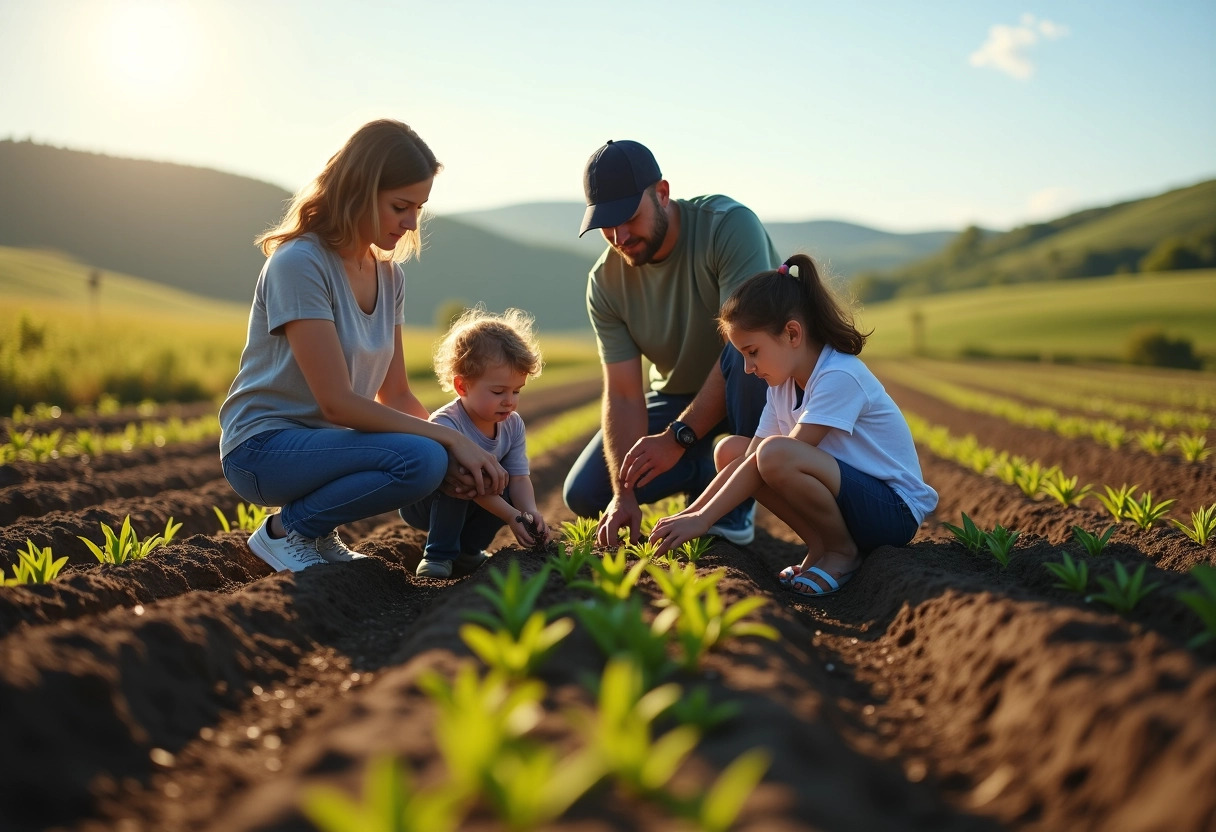
Administrative and regulatory procedures to follow
Launching an educational farm requires a good understanding of the administrative procedures and regulations in force. Choosing the appropriate legal status is crucial. Possible options include:
- SAS (Simplified Joint Stock Company)
- Association
- Limited Liability Agricultural Operation
- Individual Enterprise
Note that the status of auto-entrepreneur is unsuitable for this type of project.
Required certificates and diplomas
Obtaining the appropriate diplomas and certificates is essential to ensure the quality of educational activities. Among the most commonly required are:
- BP JEPS (Professional Certificate of Youth, Popular Education and Sport)
- CS educational farm (Specialization Certificate for educational farms)
- BP REA (Professional Certificate of Agricultural Operation Manager)
- Professional License in Scientific Mediation and Environmental Education
These qualifications ensure professional and safe management of the educational farm.
Support organizations and networks
To facilitate procedures and obtain advice, it is possible to turn to specialized organizations such as:
- APCA (Permanent Assembly of Chambers of Agriculture)
- GIFAE (International Group of Educational Animation Farms)
- CIVAM (Center for Initiatives to Promote Agriculture and Rural Environment)
- FNSEA (National Federation of Agricultural Producers’ Unions)
These entities offer valuable resources to navigate the legal and administrative aspects of your project. Follow the recommendations of these organizations to ensure compliance and the success of your educational farm.